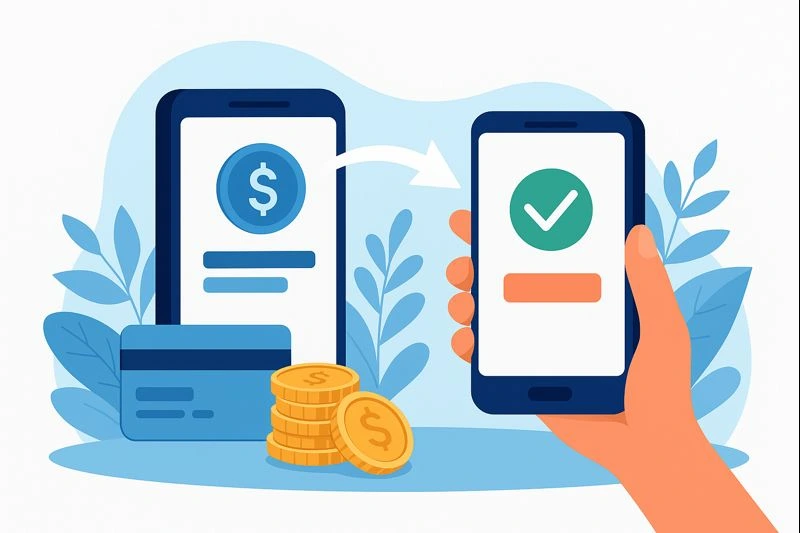
The rapid adoption of digital payments has transformed how people manage money. From UPI-based transactions to contactless payments, digital wallets are now a core part of everyday financial activity. Businesses entering this space are not only improving user convenience but also unlocking new revenue opportunities.
This guide covers everything you need to know about digital wallet app development, including features, cost, process, and monetization strategies.
What Is a Digital Wallet App?
A digital wallet app is a mobile application that allows users to store money digitally and perform transactions such as payments, transfers, and bill payments.
Popular apps like PhonePe and Google Pay have made digital payments fast, secure, and widely accessible. These apps eliminate the need for cash and provide a seamless payment experience.
Types of Digital Wallet Apps
Choosing the right wallet type is the first step in development.
Closed Wallets
Closed wallets are designed for a single platform and cannot be used outside it. These are commonly used in e-commerce ecosystems.
Semi-Closed Wallets
These wallets allow transactions at multiple merchants but do not support cash withdrawal. This is the most widely used model in markets like India.
Open Wallets
Open wallets enable users to withdraw money and transfer funds to bank accounts. These require partnerships with financial institutions and regulatory approvals.
Essential Features of a Digital Wallet App
To compete in today’s market, your app must include the following features:
Core Features
-
User registration and KYC verification
-
Bank account or card linking
-
Add and withdraw money
-
Peer-to-peer transfers
-
QR code payments
-
Transaction history
Advanced Features
-
Biometric authentication (fingerprint or face recognition)
-
Real-time notifications
-
AI-based fraud detection
-
Cashback and reward systems
-
NFC-based contactless payments
These features enhance both usability and security, which are critical for user retention.
Digital Wallet App Development Process
A structured development process ensures better performance and faster time to market.
1. Market Research
Identify your target audience and analyze competitors. Define your niche, such as peer-to-peer payments or merchant payments.
2. Requirement Planning
Outline features, compliance requirements, and integrations. This step also includes defining your business model.
3. UI/UX Design
Design a simple and intuitive interface. A smooth user experience is essential for adoption and retention.
4. Development
Build the frontend and backend systems. Integrate payment gateways, APIs, and security layers.
5. Testing
Conduct thorough testing, including security, performance, and usability testing.
6. Deployment
Launch the app on platforms like the Play Store and continuously monitor performance for improvements.
Technology Stack for Digital Wallet App Development
Selecting the right technology stack ensures scalability and reliability.
Frontend
-
Flutter
-
React Native
Backend
-
Node.js
-
Python
-
Java
Database
-
PostgreSQL
-
MongoDB
Cloud Infrastructure
-
AWS
-
Google Cloud
A scalable architecture is essential to handle high transaction volumes.
Security Requirements for Digital Wallet Apps
Security is the most critical component of any digital wallet app. Users trust these apps with sensitive financial data, making robust security measures essential.
Key security practices include:
-
End-to-end encryption
-
Two-factor authentication
-
Tokenization of sensitive data
-
Secure API integration
-
Compliance with financial regulations
Failing to implement these measures can lead to data breaches and loss of user trust.
Cost of Digital Wallet App Development
The cost of developing a digital wallet app depends on its complexity, features, and security requirements.
Estimated Cost
-
Basic App: $10,000 – $25,000
-
Mid-Level App: $25,000 – $60,000
-
Advanced App: $60,000 – $150,000+
Factors Affecting Cost
-
Number of features
-
Level of security implementation
-
Third-party integrations
-
Development team location and expertise
Investing in quality development ensures long-term scalability and reliability.
Monetization Strategies
Digital wallet apps generate revenue through multiple channels.
Transaction Fees
Charging a small percentage on each transaction
Merchant Commissions
Earning from businesses that accept payments through the app
Subscription Plans
Offering premium features to users
Financial Services
Providing loans, insurance, or investment options
A diversified monetization strategy increases profitability and sustainability.
Challenges in Digital Wallet App Development
Despite its potential, digital wallet app development comes with challenges.
Regulatory Compliance
Financial apps must comply with strict regulations such as KYC and data protection laws.
Security Risks
Cyber threats and fraud attempts require continuous monitoring and upgrades.
High Competition
The market is highly competitive, requiring strong differentiation.
User Trust
Building trust requires transparency, security, and consistent performance.
Addressing these challenges early can significantly improve success rates.
Future Trends in Digital Wallet Apps
The digital wallet ecosystem is evolving rapidly with new technologies.
Key trends include:
-
AI-driven financial insights
-
Integration with cryptocurrencies
-
Contactless payments via wearables
-
Embedded finance in non-fintech platforms
Businesses that adapt to these trends will gain a competitive advantage.
Conclusion
Digital wallet app development is a high-growth opportunity in the fintech industry. With increasing demand for cashless transactions, businesses can build scalable and profitable solutions by focusing on security, user experience, and innovation.
A well-designed digital wallet app not only improves user convenience but also creates multiple revenue streams for businesses.